


Types of Work Permits
1 - Employer-Specific Work Permit (Closed Work Permit)
2- Open Work Permit
3- Post-Graduation Work Permit (PGWP)
Open Work Permit
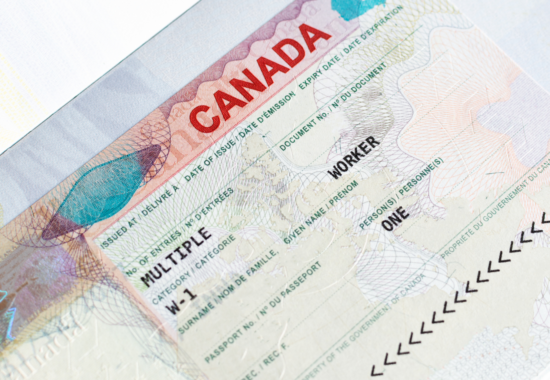
An open work permit in Canada allows foreign nationals to work for any employer, in almost any location, without the need for a specific job offer or a Labour Market Impact Assessment (LMIA). Here’s a detailed overview of the open work permit, including eligibility, application process, and other important considerations:
Eligibility for Open Work Permits
Several categories of individuals are eligible for open work permits:
Eligibility for Open Work Permits

Close Work Permit
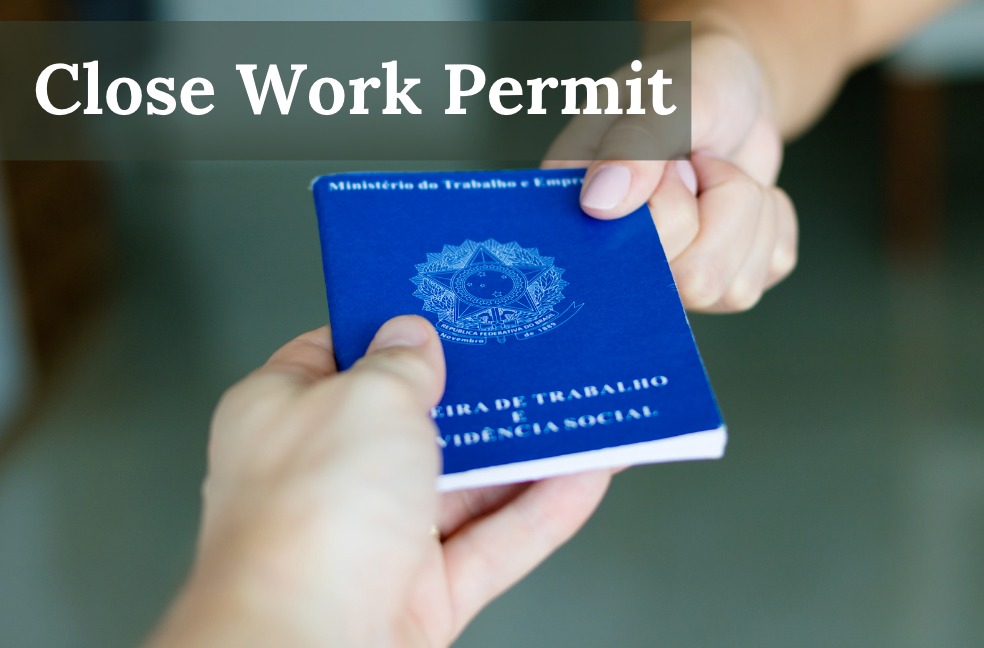
A closed work permit restricts the foreign worker to employment with the specific employer who obtained the permit on their behalf. It includes details such as the name of the employer, job location, and job description. Unlike open work permits, closed work permits are generally contingent on a Labour Market Impact Assessment (LMIA) unless the position is LMIA-exempt.
When is a Closed Work Permit Required?
A closed work permit is required for most positions under the Temporary Foreign Worker Program (TFWP) and other specific job categories where an LMIA is necessary.
An LMIA is a document issued by Employment and Social Development Canada (ESDC) that an employer in Canada needs to obtain before hiring a foreign worker. It serves as proof that there is a need for a foreign worker to fill the job and that no Canadian worker is available.
Application Process for a Closed Work Permit
Important Considerations

Compliance and Employer Obligations
Employers hiring foreign workers under a closed work permit must:
• Comply with the terms and conditions set out in the Labour Market Impact Assessment (LMIA) and work permit.
• Keep detailed records of recruitment and employment.
• Inform Employment and Social Development Canada (ESDC) of any significant changes in the foreign worker’s employment.
• Ensure the foreign worker’s wages and working conditions meet Canadian standards.

Advantages of a Closed Work Permit

How to Apply for a Canadian Temporary Work Permit
Foreign nationals aiming to work in Canada typically need to obtain a work permit. This guide details the step-by-step process to apply for a Canadian Temporary Work Permit, ensuring you understand the eligibility criteria, required documents, and application procedures. Let’s dive into the essential steps to embark on your Canadian work journey.
Step 1: Determine If You Require a Work Permit
Not all jobs in Canada require a work permit. Some positions are exempt, allowing foreign nationals to work without this document. Here’s a list of such roles:
Jobs Exempt from a Work Permit:
• Athlete or Coach: Foreign athletes or coaches participating in a competition in Canada.
• Aviation Accident or Incident Investigator: Accredited agents or advisors investigating aviation incidents under the Transportation Accident Investigation and Safety Board Act.
• Business Visitor: Individuals visiting Canada for business activities without entering the Canadian labour market.
• Civil Aviation Inspector: Inspectors checking flight operations or cabin safety during international flights.
• Convention Organizer: Organizers of international meetings or conventions.
• Crew Member: Truck drivers, bus drivers, or shipping and airline workers.
• Emergency Service Provider: Individuals assisting during emergencies, such as natural disasters or industrial accidents.
• Examiner and Evaluator: Professors or academic experts evaluating projects or research.
• Expert Witness or Investigator: Individuals providing evidence before regulatory bodies or courts.
• Family Member of Foreign Representative: Spouses or children of accredited foreign representatives.
• Foreign Government Officer or Representative: Diplomats or officials under exchange agreements.
• Healthcare Student: Students participating in clinical clerkships.
• Judge, Referee, or Similar Official: Officials at international competitions.
• Military Personnel: Military staff under the Visiting Forces Act.
• News Reporter or Film and Media Crew: Journalists not entering the Canadian labour market.
• Producer or Staff Member Working on Advertisements: Film crew members working on foreign-financed projects.
• Performing Artist: Artists performing in Canada for a limited time.
• Public Speaker: Speakers at short-term events.
• Religious Leader: Missionaries and other religious leaders.
• Short-Term Highly-Skilled Worker: Professionals working in Canada for up to 15 days once every six months.
• Short-Term Researcher: Researchers working for 120 days or less.
• Student Working Off-Campus: Full-time students working up to 20 hours per week.
• Student Working On-Campus: Full-time students working on campus.
Step 2: Determine Eligibility for a Canadian Work Permit
Eligibility for a Canadian Temporary Work Permit depends on various factors, including the applicant’s location and specific conditions. Here’s what you need to know:
General Eligibility Requirements:Intent to Leave:
• Intent to Leave: Demonstrate your intention to leave Canada when your work permit expires.
• Financial Support: Show that you have sufficient funds to support yourself and your family members during your stay and for your return.
• Law Abidance: Have no criminal record and comply with Canadian laws.
• Health Requirements: Be in good health and complete a medical examination, if required.
• Job Restrictions: Ensure you do not intend to work for ineligible employers or in prohibited industries.
Step 3: Apply Online or On Paper
Due to COVID-19, most applicants must apply online. This allows for the efficient uploading of required documents and adherence to safety measures.
Application Steps:
• Create an Account: Register online with the IRCC.
• Complete Forms: Fill out the required application forms.
• Upload Documents: Scan and upload all required documents.
• Pay Fees: Submit the application fee online.
Step 4: Obtain a Positive Labour Market Impact Assessment (LMIA)
In many cases, employers must secure a positive LMIA from Employment and Social Development Canada (ESDC) before hiring a foreign worker. This document shows the need for a foreign worker and that no Canadian is available for the job.
LMIA-Exempt Jobs:
• Jobs under international trade agreements.
• Roles under accords between federal and provincial/territorial governments.
• Positions deemed to be in the best interest of Canada.
Step 5: Obtain a Temporary Job Offer
Foreign nationals must have a temporary job offer from a Canadian employer. The job offer letter should include:
• Job Title.
• Duties and Responsibilities.
• Qualifications: Education, credentials, and experience.
• Employment Details: Start and end dates, salary, employer's name and address, and workplace location.
Step 6: Gather Required Documents and Forms
Ensure you have all necessary documents:
• Passport Copy: Information page with personal details.
• Photos: Two passport-sized photos.
• Proof of Status: Current immigration status.
• Marriage Certificate: If applicable.
• Job Requirements Proof: Documents relevant to the job offer.
• Labour Market Impact Assessment (LMIA): Copy of the LMIA, if required.
• Educational Credentials: Diplomas, certificates, or degrees.
Step 7: Pay Fees
The application fee is $155. Groups of performing artists (more than three persons) have a capped fee of $465.
Step 8: Submit the Application
Submit your application online or at a Visa Application Centre (VAC). Ensure you follow all health and safety protocols during the pandemic.
FAQs
What is LMIA?
Submit your application online or at a Visa Application Centre (VAC). Ensure you follow all health and safety protocols during the pandemic.
An LMIA is a document issued by Employment and Social Development Canada (ESDC) that assesses the impact of hiring a foreign worker on the Canadian labor market. It ensures that there is a genuine need for a foreign worker and that no Canadians or permanent residents are available to fill the position.
A Labour Market Impact Assessment (LMIA) is a document that an employer in Canada may need to get before hiring a foreign worker.
A positive LMIA will show that there is a need for a foreign worker to fill the job. It will also show that no Canadian worker or permanent resident is available to do the job. A positive LMIA is sometimes called a confirmation letter.
If the employer needs an LMIA, they must apply for one.
Once an employer gets the LMIA, the worker can apply for a work permit.
To apply for a work permit, a worker needs
a job offer letter
a contract
a copy of the LMIA, and
the LMIA number

When is LMIA Required?
An LMIA is typically required for most temporary foreign worker positions under the Temporary Foreign Worker Program (TFWP). However, certain categories of work permits under the International Mobility Program (IMP) are exempt from the LMIA requirement due to international agreements, Canadian interests, or other factors.
LMIA Application Process
Positive vs. Negative LMIA
Positive LMIA: Indicates that there is a need for a foreign worker to fill the job and that no Canadian worker is available. This allows the foreign worker to apply for a work permit.
Negative LMIA: Indicates that the position can be filled by a Canadian worker, so the employer cannot hire a foreign worker.
High-Wage Workers
If an employer wishes to hire a temporary foreign worker who will be paid at or above the median hourly wage of their province or territory then the employer must apply through the TFWP stream for high-wage workers. The first step in this process requires the employer to obtain a Labour Market Impact Assessment (LMIA) demonstrating that they were unable to find a Canadian citizen or permanent resident to fill the position.
Once an employer is issued a positive LMIA for a high-wage skilled position, they must inform the foreign worker of the LMIA results and notify them that they must apply for their authorization to work in Canada prior to the expiration of the LMIA. Once a high-wage worker receives a positive LMIA from an employer alongside their official signed employment contract, they may apply for authorization to work in Canada either through a work permit application or a permanent residency application, depending on their eligibility.
Low-Wage Workers
If an employer wishes to hire a temporary foreign worker who will be paid less than the median hourly wage of their province or territory then the employer must apply through the TFWP stream for low-wage workers. The first step in this process requires the employer to obtain a Labour Market Impact Assessment (LMIA) demonstrating that they were unable to find a Canadian citizen or permanent resident to fill the position.
Employers should note that LMIAs for low-wage workers require employers to meet certain stipulations to ensure the workplace rights and safety of low-wage non-resident workers. Once an employer is issued a positive LMIA for a low-wage skilled position, they must inform the foreign worker of the LMIA results and notify them that they must apply for their authorization to work in Canada prior to the expiration of the LMIA.
Work Permit Application
With a positive LMIA, the foreign worker can apply for a work permit. The application includes the job offer letter, the contract, a copy of the LMIA, and the LMIA number. The work permit allows the foreign worker to legally work in Canada for the employer.
LMIA-Exempt Categories
Certain categories of workers are exempt from requiring an LMIA. These include:
• Intra-company transferees.
• Professionals under international agreements such as NAFTA (now USMCA).
• Participants in exchange programs.
• Spouses of skilled workers or international students.
LMIA for Permanent Residence
A positive LMIA can also support an application for permanent residence through programs like the Federal Skilled Worker Program (FSWP) under Express Entry. It validates the job offer and boosts the Comprehensive Ranking System (CRS) score of the applicant.
LMIA Processing Time and Costs
A positive LMIA can also support an application for permanent residence through programs like the Federal Skilled Worker Program (FSWP) under Express Entry. It validates the job offer and boosts the Comprehensive Ranking System (CRS) score of the applicant.
Processing Time: Varies depending on the stream and current processing volumes, typically ranging from a few weeks to a couple of months.
Costs: Employers must pay a processing fee, which as of 2024 is CAD 1,000 per position. Some streams, like those hiring caregivers, may have different fee structures.